Renewable Energy Sources (RES)
General Information
The goal set by the EAC, which has been adopted by both the Ministry of Energy and the Regulatory Authority for Energy (CERA), is to develop a total capacity of 550-600 MW over the next decade. Achieving this goal is very important for both reductions in electricity prices as well as to support the country’s green energy transition.
Akrotiri Photovoltaic Park
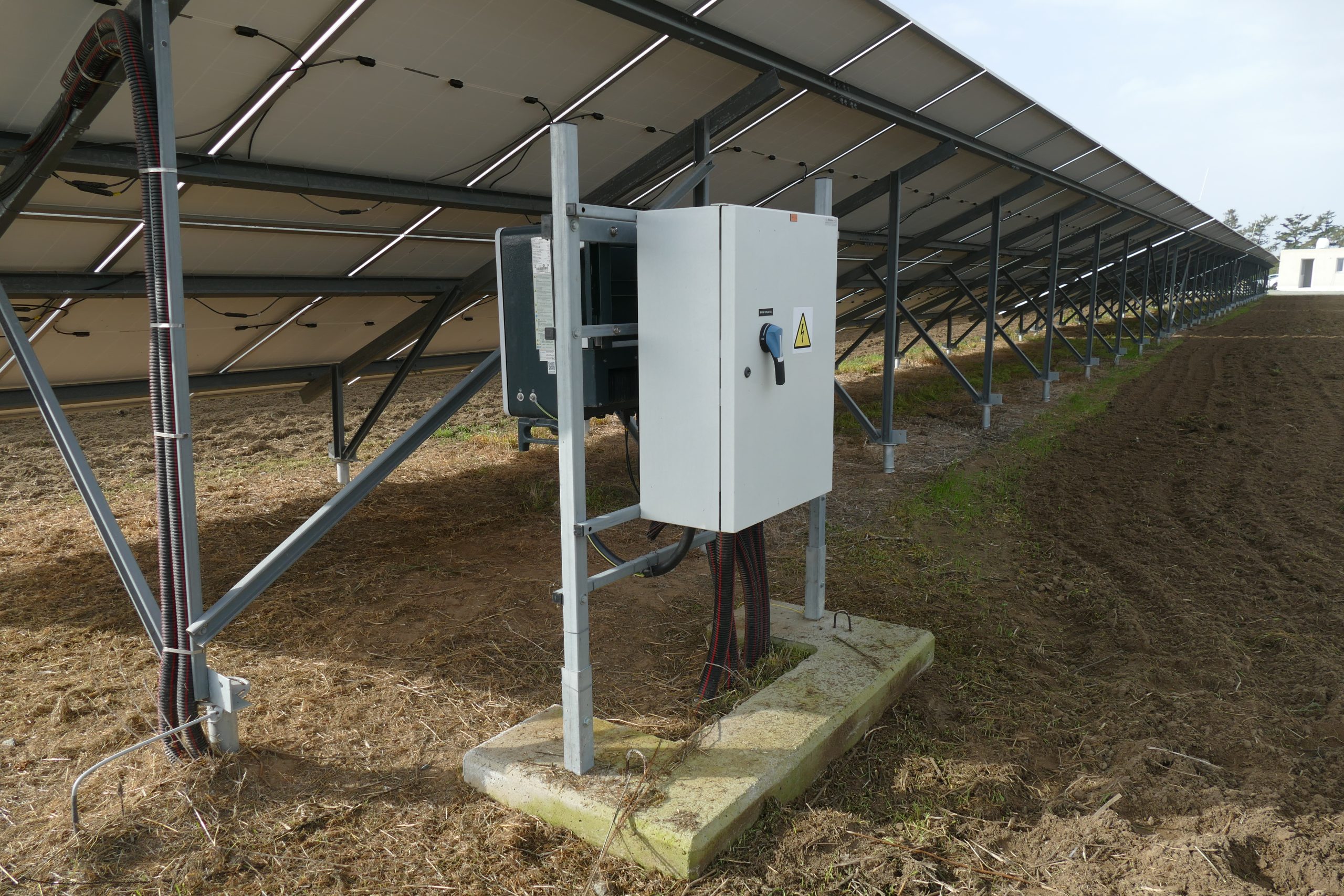
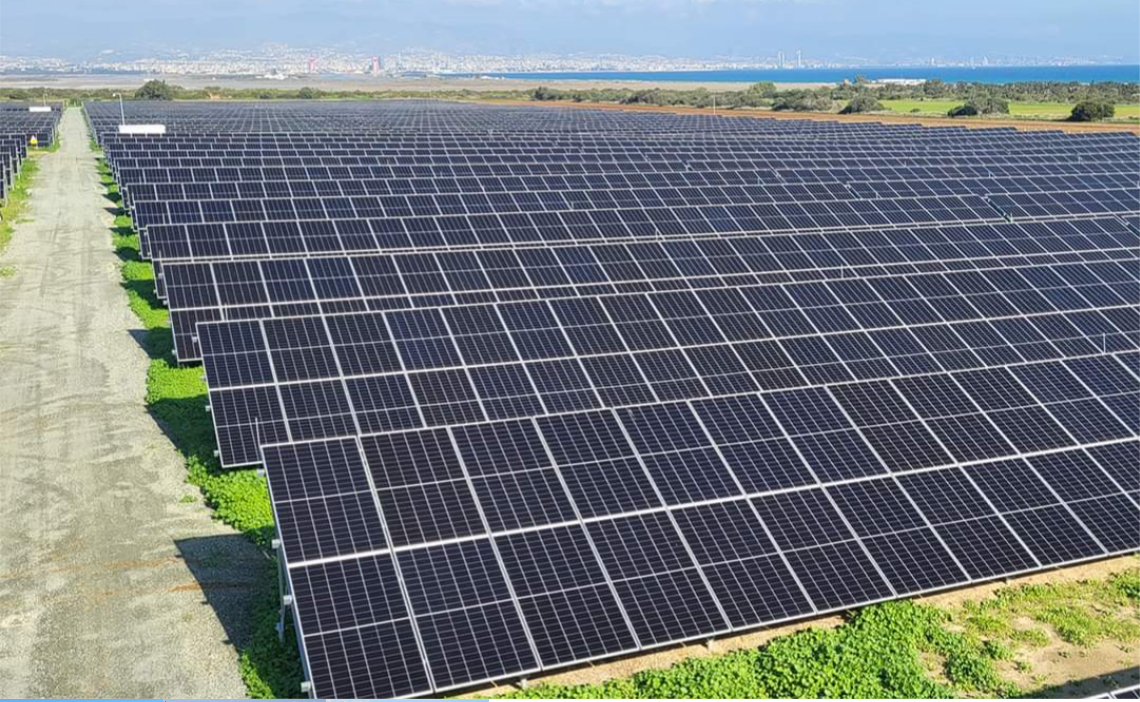
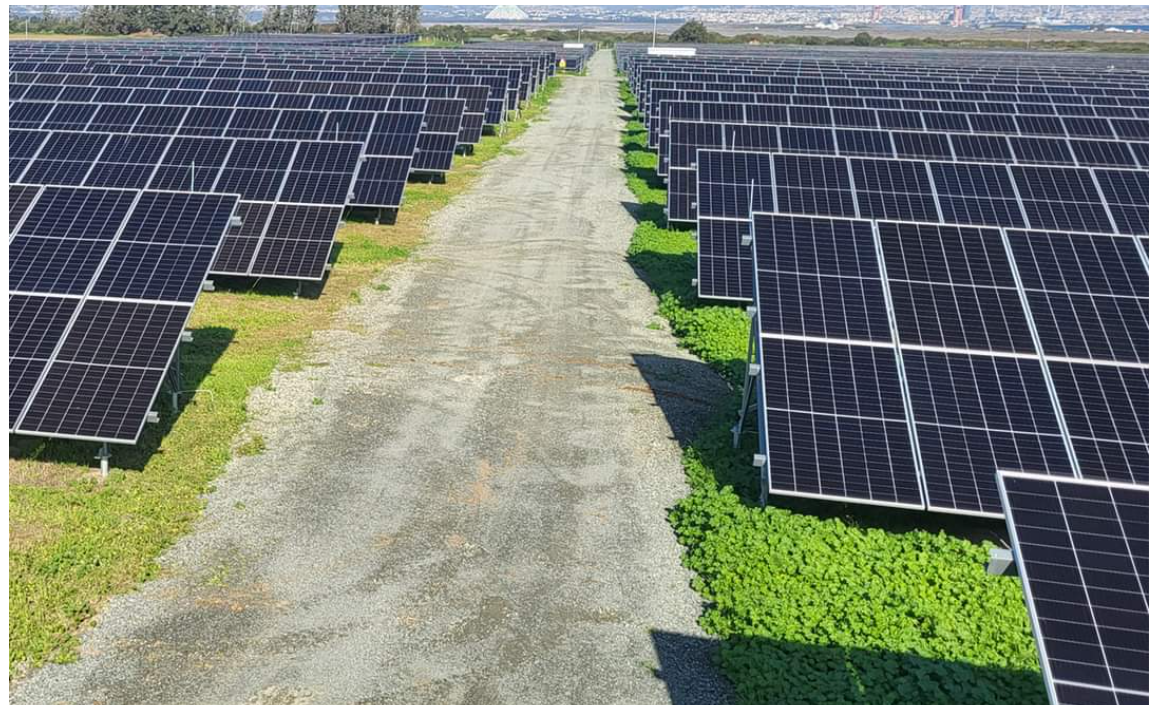
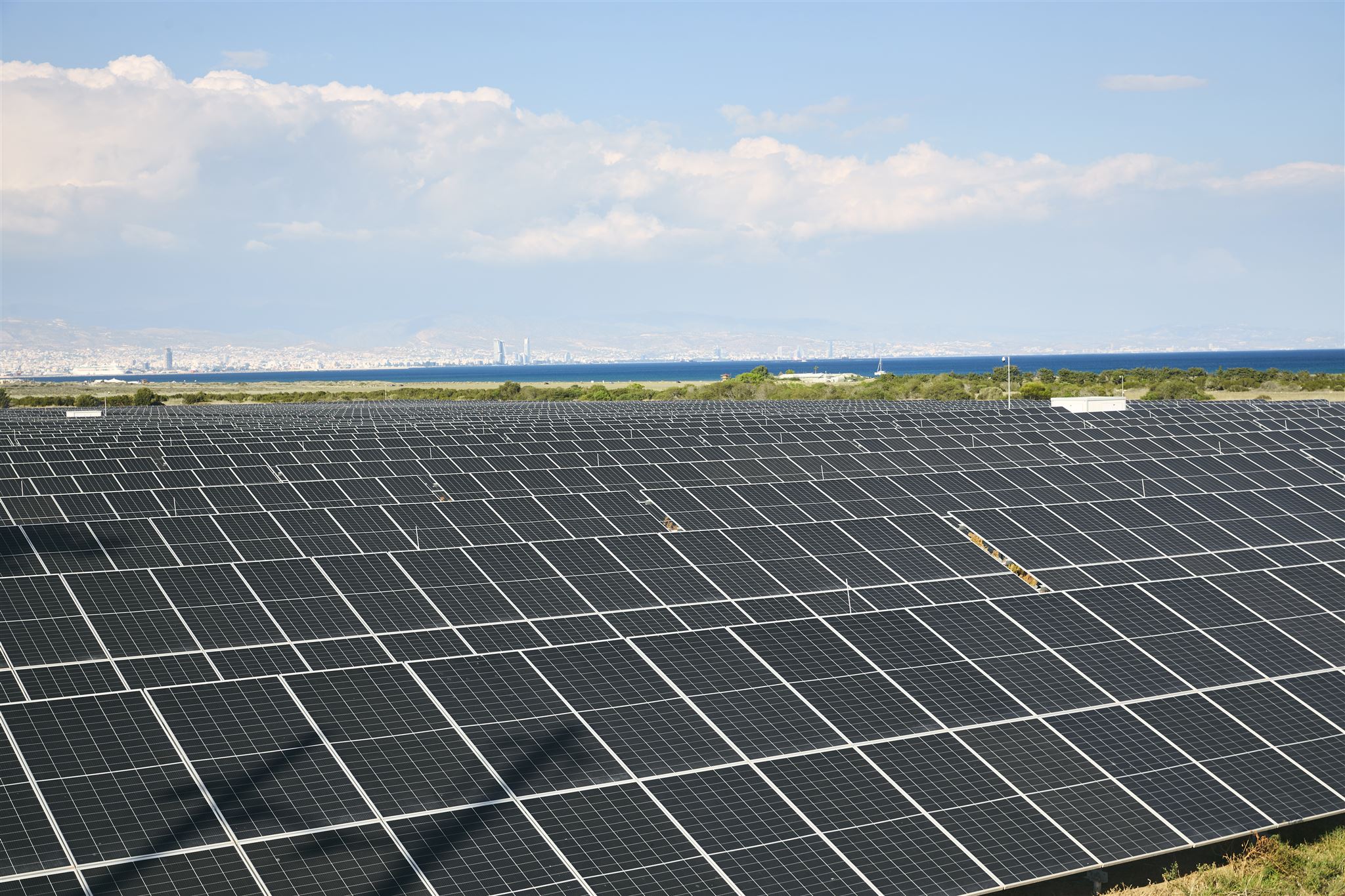
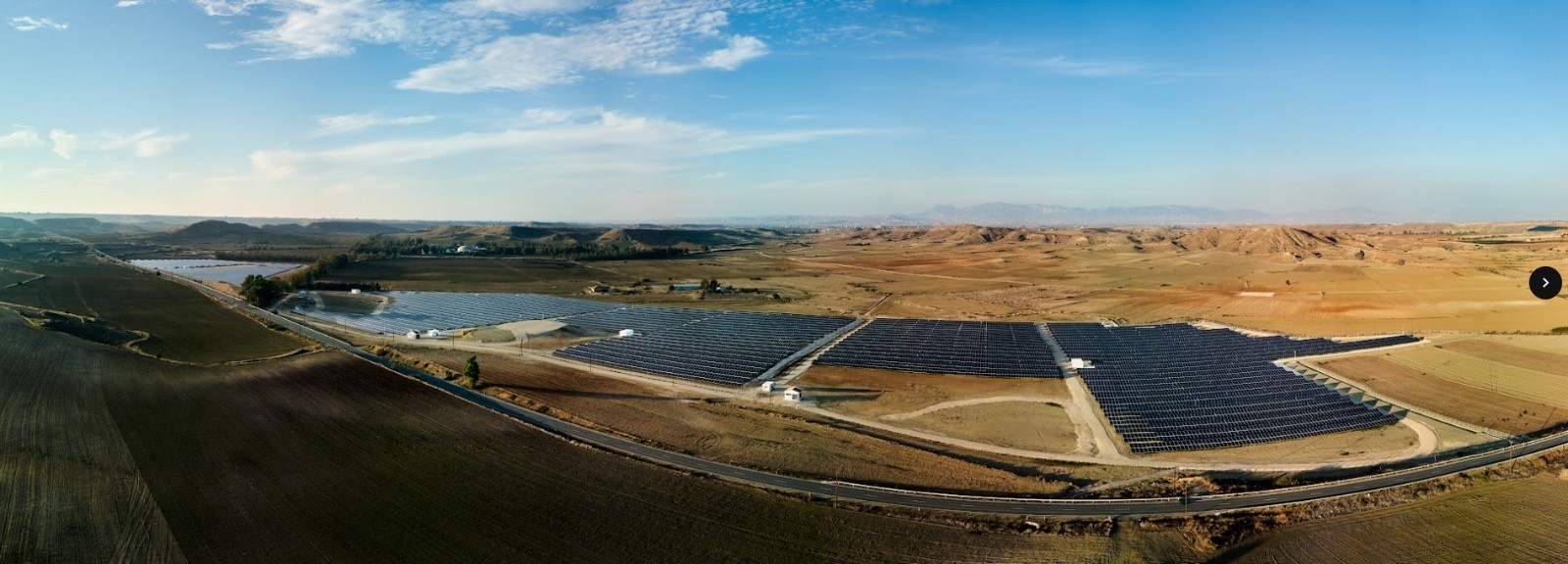
The Akrotiri Limassol Photovoltaic Park is one of the largest and most modern renewable energy projects in Cyprus. The inauguration took place on 09/01/2024. The park has been in commercial operation since October 2023. The first phase, with a capacity of 12 MW, consists of two sections: A1 (8 MW) and A2 (4 MW), and covers an area of 184 decares (approx. 45 acres) with 18,250 photovoltaic panels of 660 W each.
The park generates over 20,000 MWh annually, saves approximately 4,700 tonnes of fuel, and reduces CO₂ emissions by 14,000 tonnes per year. The total cost of the project amounted to €9.7 million, with a generation cost of 5.0 cents/kWh – the lowest ever achieved by a large-scale renewable energy project in Cyprus. The energy is integrated into the EAC generation mix, directly benefiting the majority of consumers.
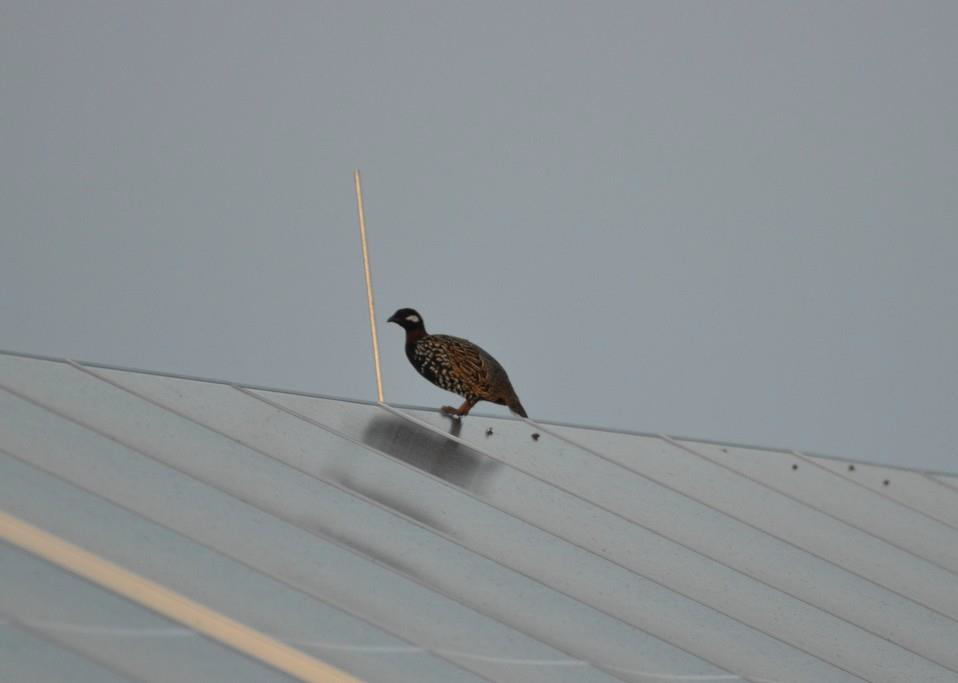
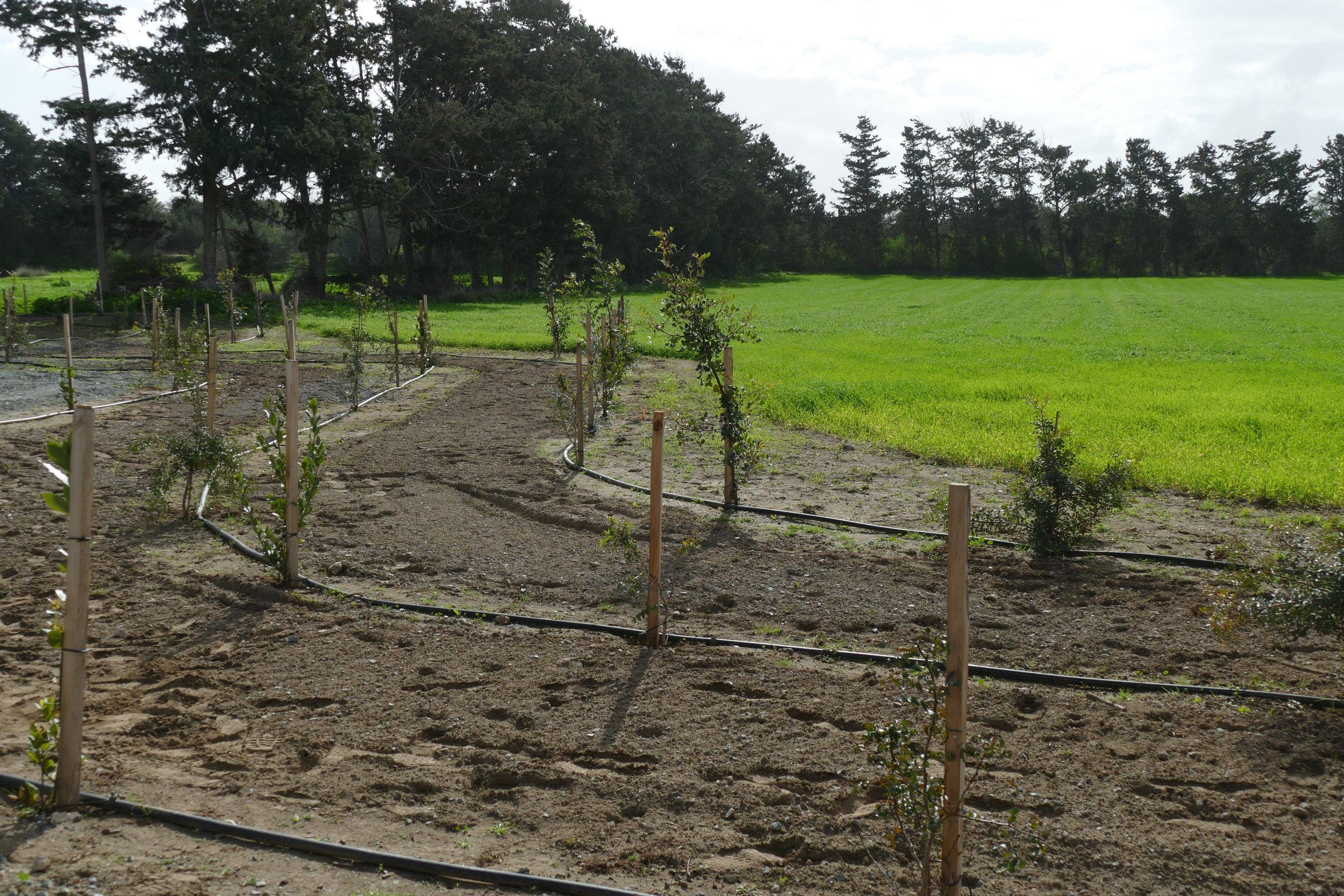
A critical parameter of the project was its environmental integration, given its proximity to the Akrotiri Salt Lake – an important wetland of European significance. The approach rested on two pillars: preventing/mitigating environmental impacts and offsetting those that could not be avoided. The project was implemented in two phases (8 and 4 MW) to allow time for the fauna to adapt. Plant species compatible with local habitats and with low water requirements were selected for planting, providing nesting and foraging grounds for birds, mammals and reptiles.
For the first phase, 1,687 trees were removed and 6,200 plantings were carried out, which exceeds the provisions of the project’s environmental permit. The environmental licensing included an environmental impact assessment study and a special ecological assessment with over 50 measures, all of which have been implemented. Three cycles of bird monitoring have been conducted (pre-construction, during construction and during operation), with the results being evaluated for publication in international scientific journals. A significant innovation was changing the foundation method from driven piles to ground screws, which drastically reduced construction site noise.
The successful implementation of the project was made possible thanks to the cooperation of the British Sovereign Base Areas (SBAs), the Limassol District Officer, the Departments of Environment of both the Republic of Cyprus and the Bases, the Game and Fauna Service, the Department of Forests, as well as the NGOs BirdLife Cyprus and Terra Cypria. Today, Akrotiri photovoltaic Park stands as a benchmark for exemplary environmental integration and reveals to the Cypriot consumer for the first time the true cost of renewable energy production.
Acheras Photovoltaic park
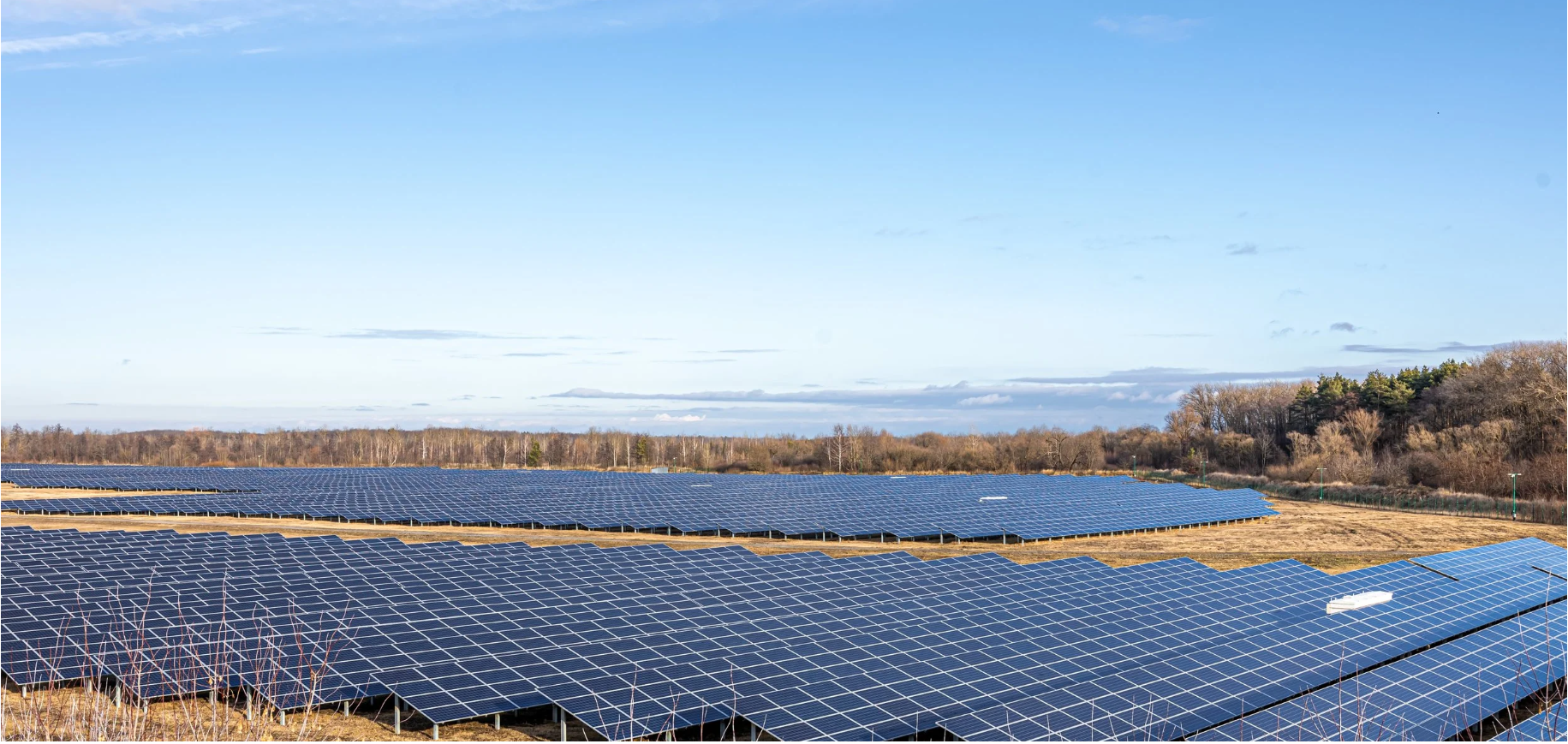
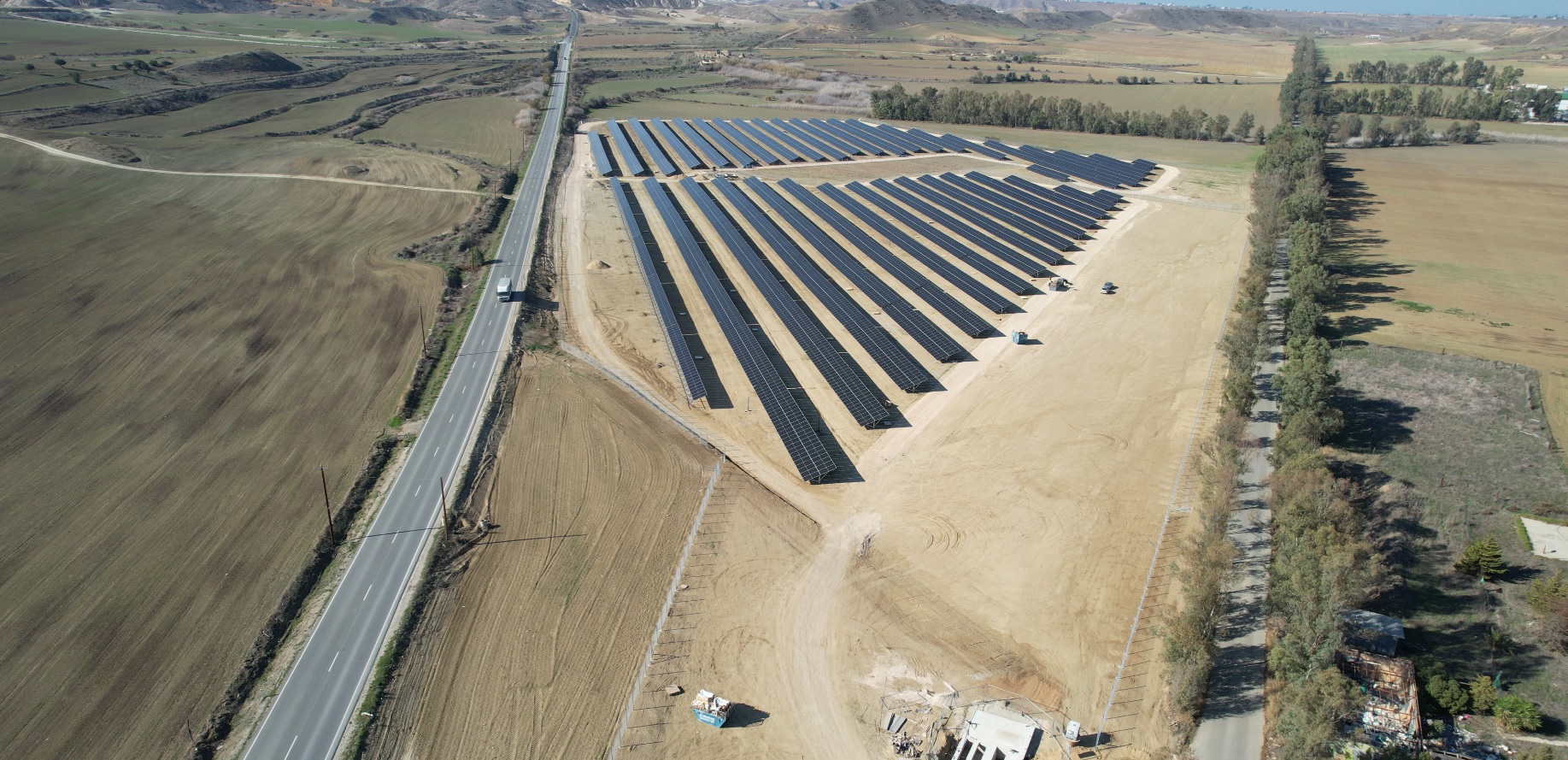
On 13/12/2024, the Acheras Photovoltaic Park was inaugurated. Acheras Photovoltaic Park was implemented after many years of systematic efforts, as the process of securing the necessary permits was laborious and time-consuming. It reflects the EAC’s ongoing effort to achieve its primary goal, which is to reduce electricity prices for the benefit of both households and businesses in Cyprus. Acheras A and C photovoltaic parks have been developed in collaboration with the Archbishopric of Cyprus, through joint venture company EAC-IAC Ahera Renewables Ltd. They are located in the Acheras area, in the community of Agios Ioannis Malountas within the Nicosia district, covering a total area of 14 hectares. The area neighbours livestock farming lands, non-irrigated agricultural fields and two slaughterhouses. The parks do not affect any Natura 2000 protected areas. Acheras A park has a capacity of 5 MW and Acheras C park has a capacity of 3 MW, resulting in a total capacity of 8 MW and marking the completion of Phase A of the Acheras projects. The green energy produced by the photovoltaic Park has already been integrated into the total generation mix of the EAC, and the cost of the generated energy is calculated at just 5.1 cents per kilowatt-hour.
The project is expected to save approximately 3,400 tonnes of fuel annually, yielding financial savings of €2.25 million per year. The objective is to reduce electricity costs for residential and commercial consumers, as well as to lower expenditure on greenhouse gas emission allowances.
Storage
To better utilise the green energy produced, it is necessary to set up storage systems. This infrastructure is very important for the flexibility needed for their operation, especially for modern energy management systems with significant penetration of renewable energy sources (RES).
Battery Energy Storage System (BESS) – Dhekelia Power Station
EAC Generation has advanced the procedures for installing a battery energy storage system (BESS) at Dhekelia Power Station. Specifically, the contract for the supply and installation of the storage system has been awarded, and its installation is expected to be completed around the end of 2027. The system will deliver 160 MWh of energy with a stable power output of 80 MW for a duration of 2 hours, ensuring reliable and flexible grid support. The system will consist of 39 prefabricated battery enclosures with a capacity of 2.5 MW / 5 MWh each, 828 power conversion systems (PCS), 20 smart transformer stations, and 2 main 63 MVA transformers. The entire operation will be fully monitored and controlled via a SCADA system. The initial round trip efficiency of the system to be installed amounts to 86.80%, while at the end of its 20-year lifespan, it is estimated to reach 84.33%.
BESS system will provide a wide range of services such as load shifting, frequency control, ramp rate support, peak shaving and the provision of ancillary services. These services are vital for the stable and reliable operation of the electrical power system.
Battery Energy Storage System (BESS) – Vasilikos and Moni Power Station
EAC Generation is planning the installation of battery energy storage systems (BESS) at Vasilikos and Moni Power Stations. Specifically, a battery system will be installed at the Moni Station that will deliver 200 MWh of energy with a continuous output of 100 MW for a duration of 2 hours. The unit will be installed within the existing fenced area owned by the EAC. At Vasilikos Station, a battery system will be installed that will deliver 500 MWh of energy with a continuous output of 250 MW for a duration of 2 hours. This will be the largest BESS unit installed in Cyprus to date.
These two projects are currently in the licensing stage. The implementation of both BESS units, with a combined capacity of 350 MW and a storage capacity of 700 MWh, represents one of the EAC’s most significant investments in the energy sector. Upon completion of the licensing and project implementation, Cyprus will acquire modern energy infrastructure that will enhance its energy security, reduce greenhouse gas emissions and contribute decisively to the green transition.

