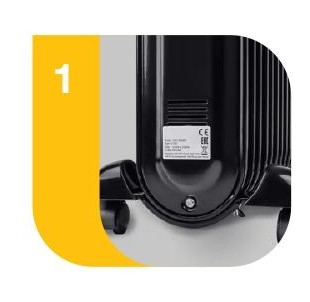
Make sure that any electrical devices/appliances that you buy have been manufactured according to International Safety standards and CE marked.
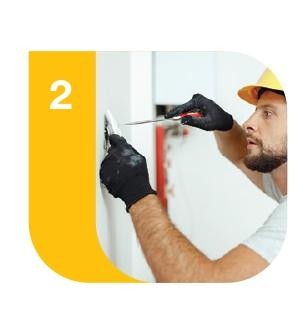
If you notice that a device/appliance is not working properly, unplug it immediately before investigating. Don’t try to repair it yourself. Call a licensed electrician.
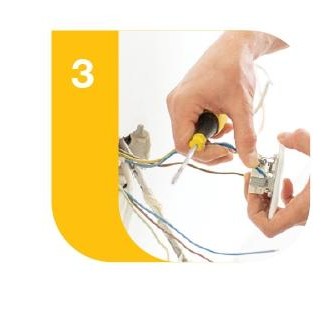
If a plug or socket is broken, contact immediately a licensed electrician for replacement.
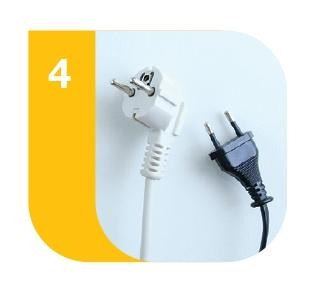
Never connect a three-core cable to a two-pin socket and avoid using two-pin plugs.
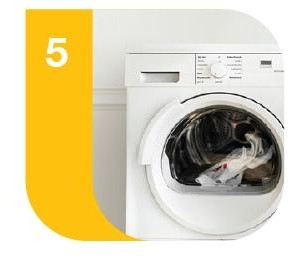
Avoid operating electrical appliances without supervision, e.g. washing machines, dryers, heaters, fan heaters, ovens, electric hobs etc.
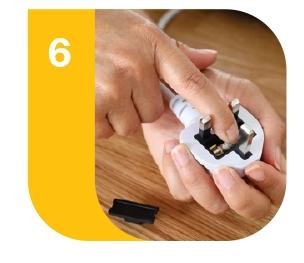
Never replace a fuse with one for a higher amperage.
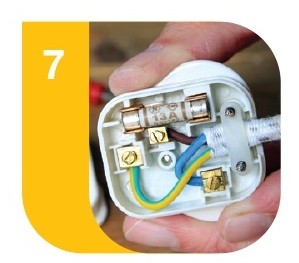
13 amp plugs have their own fuses, which can be easily replaced and recognized. They are brown in colour.
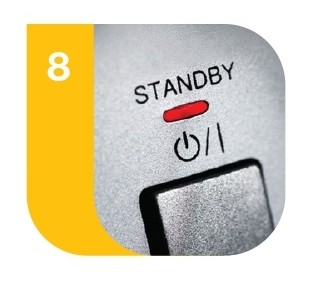
Avoid leaving devices on standby.
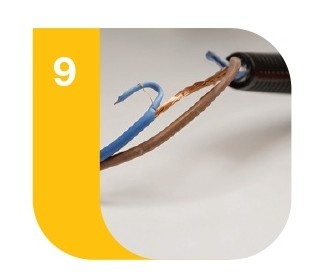
We regularly check the cables of appliances and if damage or deterioration is detected, immediately remove from the sockets and contact specialists for repair.

For lighting, use the size of light bulb recommended by the manufacturer. Don’t attach the lampshade to the bulb.
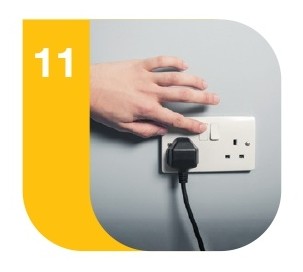
Before cleaning an electrical device/appliance, check that the socket is switched off and unplug it.
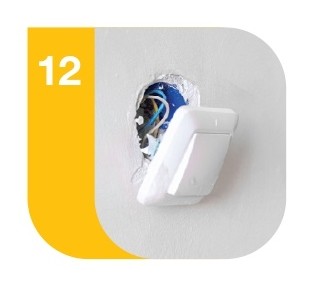
Never fail to replace a faulty/broken switch.
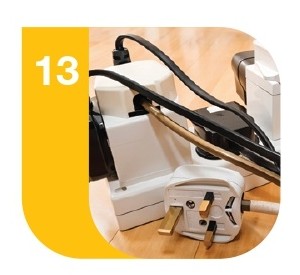
Avoid using multi-plug adaptors as much as possible. If necessary, use them only for small devices/appliances.
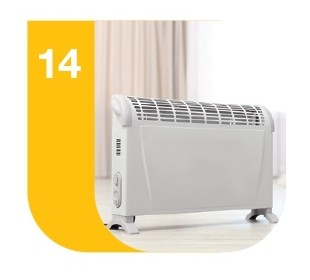
Make sure that the bars of an electric heater have a protective covering. To clean it, unplug it from the socket first.
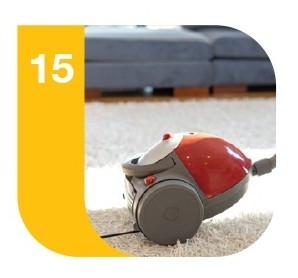
Avoid pulling the vacuum cleaner by the cable. For maximum efficiency, check and change the filters regularly.
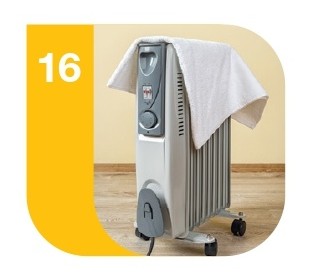
Placing wet clothes in front of or over electric heaters poses risks of electric shock and fire.
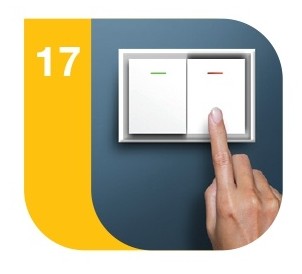
When changing a lightbulb, first switch off the electricity and wait a few minutes for the bulb to cool down before removing it.
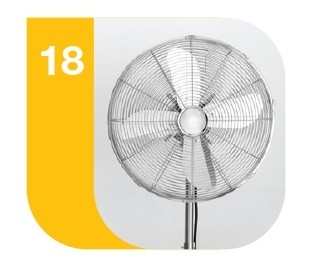
Make sure that the fan cable is away from the blades and that they are well protected.
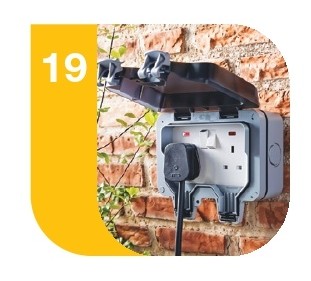
If you use gardening tools, make sure that the outdoor sockets are suitable for outdoor use and that they are protected by a Residual Current Device (RCD 30mA).
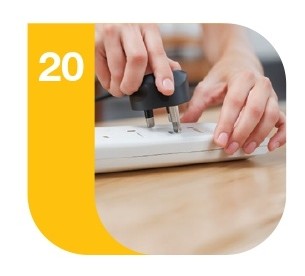
Avoid installing lighting via extension cables.
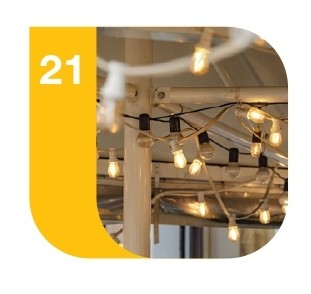
Don’t use metal constructions such as vine supports or drying racks for outdoor lighting.
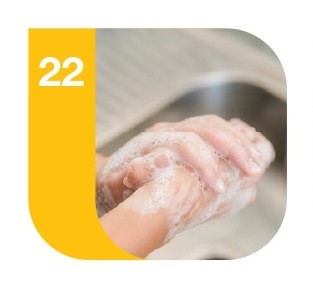
Water is a good conductor of electricity so, for your own safety, never touch plugs, switches or electrical appliances with wet hands.
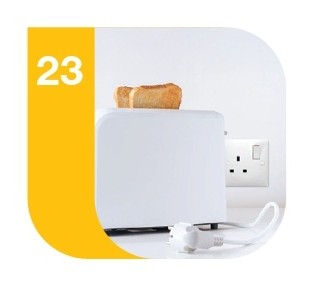
If a piece of bread becomes stuck in a toaster, don’t try to remove it with a knife or fork. Switch off the electricity, remove the plug, and remove the piece by opening the bottom cover of the toaster.
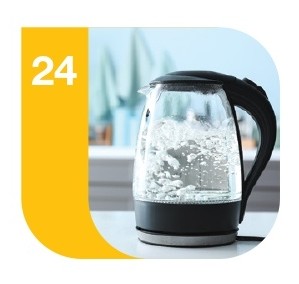
Before filling a kettle, make sure that it is switched off.
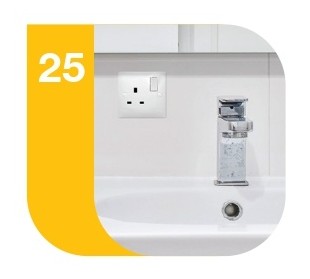
Don’t install electrical sockets, switches or appliances in the bathroom. Water and steam increase the risk of electric shock.
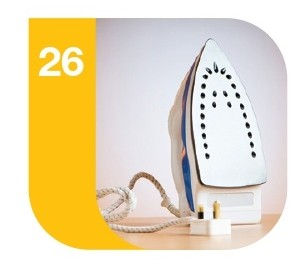
Avoid letting the cable curled around an iron when it’s hot. At the same time, always replace a damaged cable.

